

Nvidia reinstates Jensen Huang as CEO as Nasdaq Composite jumps 6% in early trading
According to the supplied account, Nvidia reinstated co-founder Jensen Huang as president and chief executive on Monday, November 23, 2026, less than two weeks after his reported resignation. The account also puts the Nasdaq Composite up 6% at 9:35 a.m. Eastern time. The leadership change and market figures remain unverified.
Related coverage examines reports of an Nvidia investigation involving Jensen Huang and Megaspeed.
What did the Nvidia board decide about Jensen Huang’s return?
The board voted unanimously to restore Huang as president, chief executive and a member of the board, effective immediately, according to the supplied account. The decision reversed the position board chair Harvey Jones had outlined six days earlier, when he told investors that directors did not intend to reinstate Huang.
Jones made those earlier remarks during the November 17 earnings call. Huang had already said he was willing to return if asked, and supporters including Elon Musk backed a petition for his reinstatement. When the board reversed course, Jones said the directors believed Huang was the person to lead the company.
The board said its decision followed meetings and discussions about Huang’s candor and ability to lead. It also said it had received input from U.S. government officials and concluded that his reinstatement posed no national security risk. The company was still examining its compliance with U.S. export controls when directors announced that conclusion.
How did Donald Trump respond to Jensen Huang’s return?
U.S. President Donald Trump welcomed Huang’s reinstatement on Monday after urging the board to bring him back the previous evening, according to the supplied account. Trump said the government had no reason to believe Huang’s return posed a national security risk and urged the company to continue its export compliance review.
The account says U.S. lawmakers had called for scrutiny of Huang’s conduct and the chipmaker’s compliance with export rules. It also makes unverified claims about the circumstances of his reported resignation. Earlier coverage of scrutiny over chip sales to Megaspeed addressed one part of the export-control issue.
Separate coverage examines unverified reports about Huang’s wealth and ranking.
How did the Nasdaq Composite react in early trading?
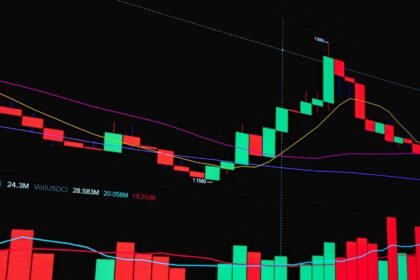
The Nasdaq Composite was up 6% at 9:35 a.m. Eastern time on November 23 as AI-related shares rallied, according to the supplied account. Five minutes into regular trading, the S&P 500 was up 4.1% and the Dow Jones Industrial Average had gained 2.1%, or 1,005 points.
Nvidia shares reportedly rose 27.8% in early trading after falling nearly 23% the previous week. CoreWeave, which buys the chipmaker’s processors and rents access to them through the cloud, climbed 26.7%. The gains extended to other companies that supply infrastructure used by the AI industry. Power equipment maker GE Vernova rose 8.7%, while construction equipment maker Caterpillar gained 6%.
According to the account, U.S. stock futures had pointed to a rebound before the announcement. All three major indexes moved higher after the opening bell, with the Nasdaq Composite leading the gains. Heading into Monday, a 1% move in the chipmaker’s shares reportedly had a greater effect on the S&P 500 than the same percentage move in all but two other companies.
Related coverage examines the unconfirmed timing of a possible Anthropic listing.
The earnings report before the board reversal
Colette Kress presented the November 17 results while serving as interim chief executive, according to the supplied account. The company reportedly posted revenue of $115.84 billion, up 103% from a year earlier and 20% from the previous quarter, and earnings of $2.68 per share. Both figures reportedly exceeded analysts’ expectations. Investors heard the board’s initial position on Huang’s return during the same call.
Huang co-founded Nvidia in 1993, when its business centered on graphics chips for video games. The company now supplies processors used to train and run AI systems. CoreWeave illustrates how customers can use those processors without owning them. It buys the hardware and offers customers access to the computing capacity through its cloud service.
Also on this site, how Finnish news leads left a Brazil story unverified and the story of an Ed Sheeran fan who married a lookalike.
Frequently Asked Questions
Who ran the company before Jensen Huang’s return?
According to the supplied account, Colette Kress served as interim chief executive after Huang resigned earlier in November. She presented the company’s quarterly results on November 17, the same day board chair Harvey Jones said directors did not intend to reinstate Huang. After the reported reinstatement, Kress continued as chief financial officer.
Did the Nasdaq Composite close up 6% on November 23?
The closing move is unconfirmed. The reported 6% gain was recorded at 9:35 a.m. Eastern time on November 23, five minutes after regular U.S. stock trading began. The reported gains for the S&P 500 and Dow Jones Industrial Average were measured at the same point in the session.
Can the early stock market gains be attributed entirely to Huang’s return?
The supplied account puts the rally and Huang’s reported reinstatement on the same morning, but the figures alone cannot show how much of the gain came from the leadership news. U.S. stock futures had already pointed to a rebound before the announcement, and the reported gains extended across several industries.
Did the internal review of U.S. export controls end when Huang returned?
According to the supplied account, the internal export-control review continued after the board reinstated Huang. Trump urged the company to keep examining its compliance with U.S. export controls. The board said it had received input from government officials and concluded that Huang’s return as chief executive posed no national security risk.
Sources and verified excerpts
According to The Guardian: Nvidia reported a revenue of $115.84bn and earnings of $2.68 per share