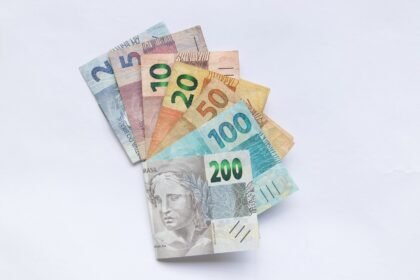


Brazil’s real weakens ahead of summer, putting devaluación in focus for Argentine travelers
Brazil’s weaker real has brought devaluación, the Spanish word for devaluation, into the summer travel discussion in Argentina. When the Argentine peso buys more reais, a hotel room or restaurant meal with an unchanged local price costs fewer pesos. As of November 23, 2026, the effect on bookings and spending for the 2026-27 summer season was still unconfirmed. Related reading: saa: Supplied Finnish News Leads Do Not Establish a Verified Brazil Story.
What drove Brazil’s devaluación in November?
Investor concerns about Brazil’s public finances weighed on the real in November, following President Luiz Inácio Lula da Silva’s reelection in late October, according to the account of the currency move. On November 18, the Senate approved a fiscal package aimed at slowing spending growth and increasing revenue.
The proposal aimed to improve public finances by up to 60 billion reais in 2027 through limits on corporate tax breaks and tighter spending rules. The package still needed lower-house approval after the Senate vote. Analysts questioned whether relying on revenue measures would do enough to improve the budget. The eventual fiscal effect depended on which measures passed and how they were implemented.
Currency depreciation is the precise English term for a decline in a currency’s market value. Devaluation usually refers to an official decision to lower a currency’s value under a system in which authorities set the exchange rate. Clarín examined the implications of the weaker real for Argentina.
How does the peso-to-real exchange rate affect summer travel?
The peso-to-real exchange rate determines how many Brazilian reais an Argentine peso buys. If the peso buys more reais, an unchanged hotel or restaurant bill costs fewer pesos. Both currencies’ movements against the U.S. dollar matter when assessing whether the real has become cheaper for someone paying in pesos.
If both currencies lose the same proportion of their value against the dollar, the peso buys the same amount of Brazilian currency as before. The exchange rate between the peso and the real determines the converted price of a bill charged in reais.
For example, a room priced at 500 reais costs 150,000 pesos at an exchange rate of 300 pesos per real. At 270 pesos per real, the same room costs 135,000 pesos. If the hotel raises its rate to 560 reais, the room costs 151,200 pesos at that second exchange rate. All three figures exclude fees.
That distinction matters as travelers compare beach destinations ahead of the Southern Hemisphere summer. The exchange rate changes what each real costs in pesos, while hotels set their own seasonal prices. La Gaceta covered renewed interest in Brazil among travelers from Tucumán.
What does an earlier season show about outbound tourism?
Official figures put departures by Argentine residents at about 1.3 million in December 2024, up 76.4 percent from the same month a year earlier. Brazil accounted for 22.6 percent of those departures, showing that it was already an established destination at the start of an earlier summer travel season.
Brazil recorded about 6.6 million international arrivals in all of 2024, including about 1.9 million visitors from its southern neighbor. The annual figure counts arrivals in Brazil, while the December figures count departures from travelers’ home country during a single month. Each gives a different view of how much travel already took place along the route.
Road access helped make Brazilian destinations practical in that earlier season. For travelers who drive, the exchange rate affects spending after they cross the border, including accommodation and meals. The distance traveled and the number of nights also shape the total cost.
How could the weaker real affect the tourism balance?
A weaker real could widen the tourism deficit if Argentine residents spend more in Brazil and Brazilian visitors spend less across the border. The tourism balance tracks spending in both directions. The outcome depends on how many people travel, how long they stay and what they spend during the 2026-27 summer.
A Brazilian beach hotel could gain guests while a coastal hotel across the border faces more competition for local customers. A family could also keep its budget steady and use the extra purchasing power to stay longer or pay for more activities. In that case, spending at the destination could rise even if the number of visitors stayed steady.
The reverse is also possible. Visitor numbers could rise while total spending holds steady if the average visitor stays fewer nights or spends less per day.
iProfesional reported concerns about money flowing abroad through tourism. The eventual effect will depend on what travelers spend across the season.
Related reading from MyViralBox includes Ed Sheeran Superfan Ties the Knot with Lookalike in Hilarious Ceremony!
Frequently Asked Questions
Did the Brazilian real weaken because of an official devaluación?
The reported decline was market depreciation as investors weighed Brazil’s fiscal outlook after Lula’s reelection. The Senate’s November 18 vote dealt with government spending and revenue. In this case, the value of the real moved in the market as investors assessed the outlook for the country’s finances.
Does a weaker real make every Brazilian vacation cheaper?
A weaker real can lower the peso cost of expenses priced in reais when the peso gains against the Brazilian currency and local prices hold steady. Higher holiday room rates, more expensive flights or payment fees can offset the currency savings and raise the cost of the trip.
Is a surge in Argentine visitors to Brazil confirmed for summer 2026-27?
A surge in Argentine visitors to Brazil for the 2026-27 summer remained unconfirmed as of November 23, 2026. The exchange rate can change purchasing power before travelers leave. Arrival figures will show whether more people made the trip, and spending figures will show how much those visitors spent.